

EXECUTIVE SUMMARY // CORE TECHNICAL TAKEAWAYS
- • Addis Ababa's moderate diurnal temperature swing enables naturally ventilated buildings year-round if facades are properly shaded.
- • Unshielded west-facing glass creates severe solar greenhouse effect requiring expensive electrical air conditioning.
- • Local stone paired with insulated cavity walls balances daytime solar warmth with nighttime thermal retention.
Situated at 2,355 meters above sea level with an equatorial sun angle, Addis Ababa possesses one of the most temperate and benign urban climates on earth. Yet all too often, contemporary architecture blindly copies glass-box towers designed for cold European or hot desert Gulf climates.
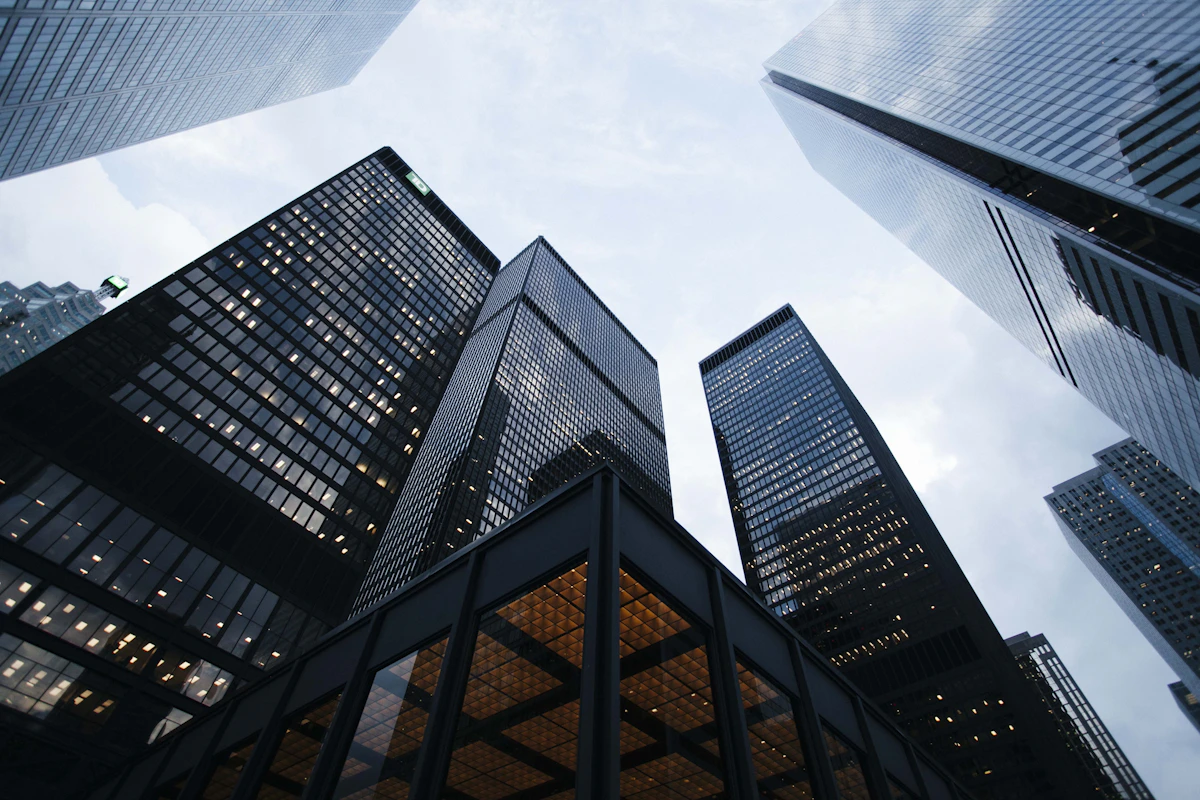
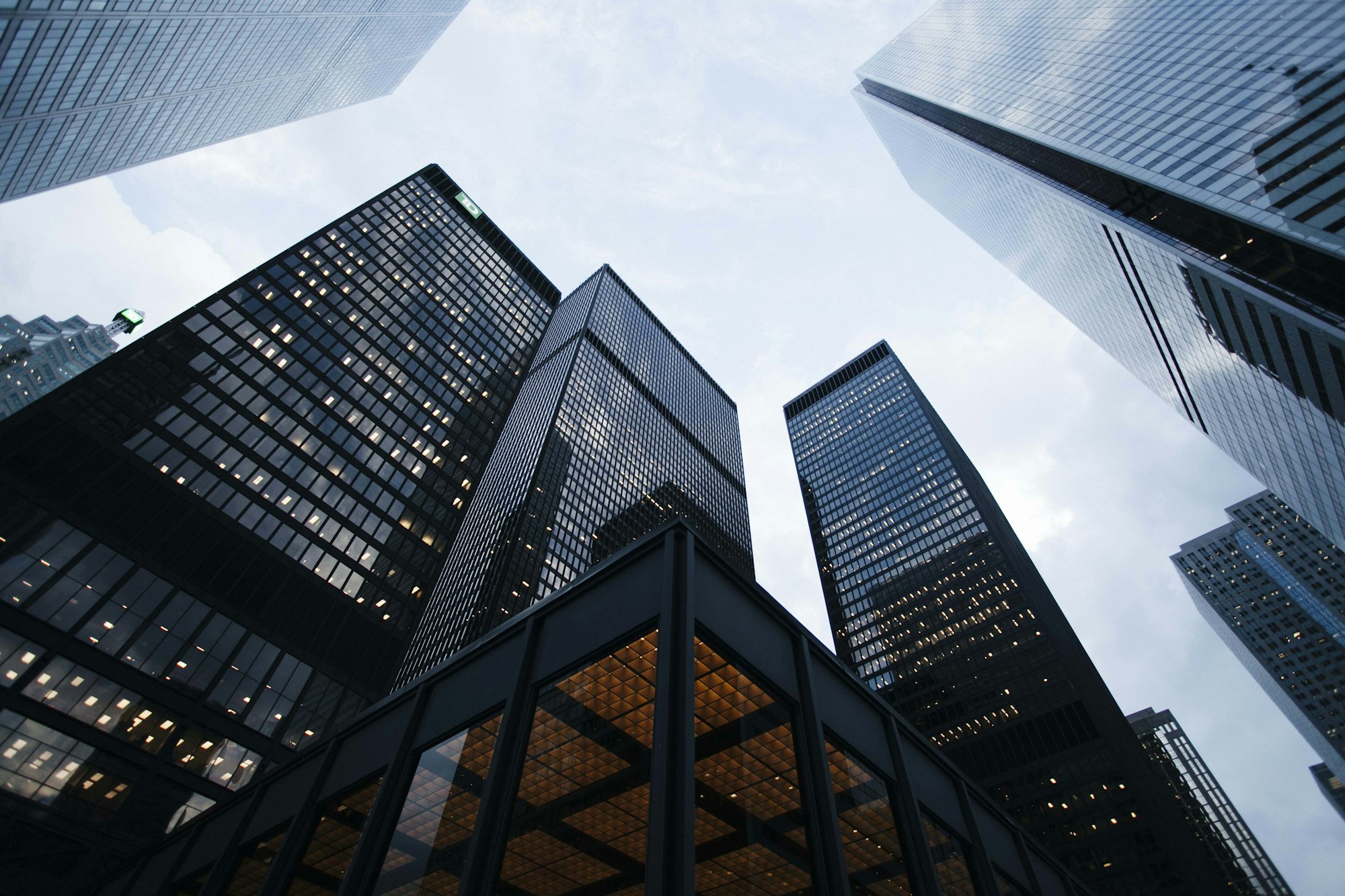
A fully glazed, unshaded curtain wall in the Ethiopian highlands turns interior office spaces into greenhouses by 2:00 PM. Tenants are forced to install oversized split-unit air conditioners, dramatically increasing monthly power bills and generating noisy exterior condenser clutter.
At SEMAYI, our architectural design studio advocates for climate-responsive envelope engineering. By incorporating calibrated horizontal architectural overhangs on north and south facades, and vertical articulated fins on east and west elevations, we block harsh high-angle solar radiation while admitting diffuse natural daylight.
Furthermore, incorporating thermal mass—such as locally quarried stone or insulated masonry cavities—dampens the temperature variance between chilly 12°C highland nights and sunny 25°C afternoons.
The result is buildings that feel inherently serene and naturally illuminated, requiring a fraction of the mechanical energy demanded by conventional glass boxes.